
Introvert or Social Anxiety? Understanding the Difference With Expert Insights From Mamta Sahni

Many people often confuse introversion with social anxiety. While both may involve spending less time in social situations, mental health experts say they are very different experiences that require different approaches and support.
According to Mamta Sahni, Psychologist and Advanced EFT Therapist, understanding this distinction is the first step toward better emotional well-being and self-awareness.
Introversion: A Personality Trait, Not a Problem
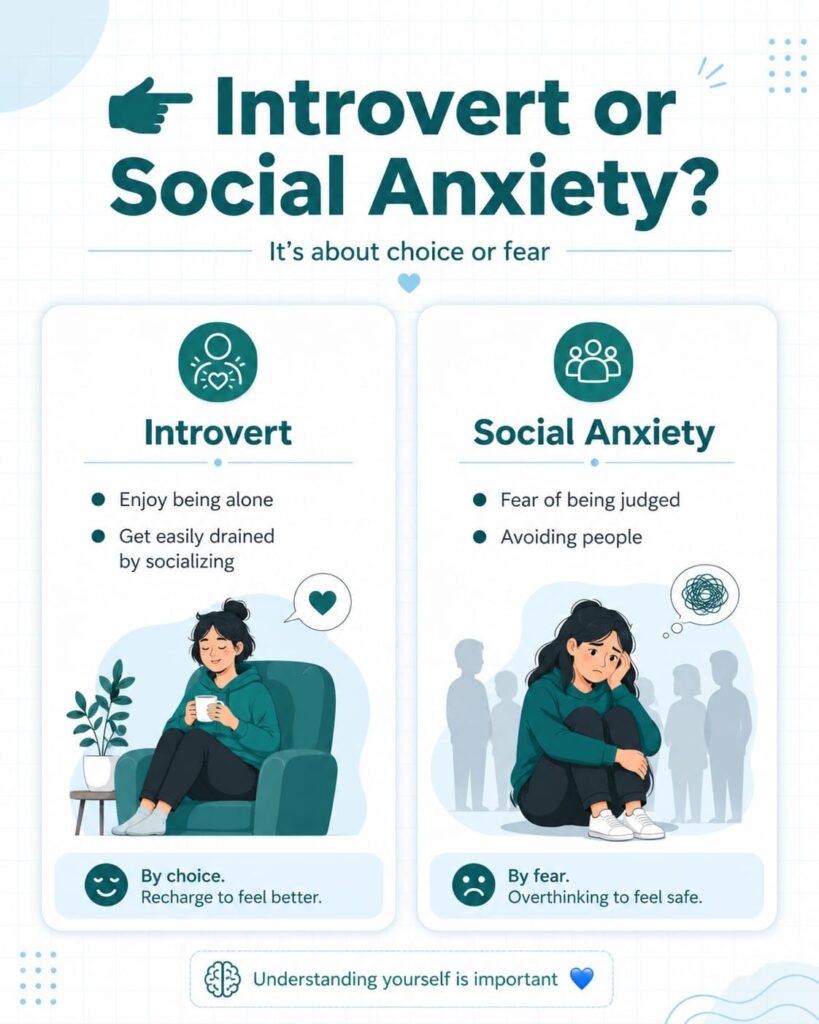
Introverts typically enjoy spending time alone and often recharge their energy through solitude. They may feel drained after long social interactions, but this does not mean they are afraid of people or social situations.
“Being an introvert is a personality preference, not a mental health condition,” explains Mamta Sahni. “Many introverts enjoy meaningful conversations, relationships, and professional success. They simply need time alone to regain their energy.”
Key signs of introversion include:
- Enjoying time alone
- Preferring smaller social circles
- Feeling mentally drained after extended social interactions
- Choosing solitude as a way to recharge
Social Anxiety: When Fear Takes Control
Social anxiety is different. It involves an intense fear of being judged, criticized, embarrassed, or rejected by others. This fear can cause people to avoid social situations altogether, impacting their relationships, careers, education, and overall quality of life.
Common signs of social anxiety include:
- Fear of being judged by others
- Avoiding social situations
- Excessive overthinking before or after interactions
- Physical symptoms such as sweating, trembling, or a racing heartbeat
- Difficulty speaking in groups or meeting new people
According to experts, the key difference lies in motivation. Introverts often choose solitude because they enjoy it, while individuals with social anxiety avoid people because they fear negative outcomes.
Why Early Support Matters
Mental health professionals emphasize that untreated social anxiety can become more severe over time. Seeking support early can help individuals build confidence, improve communication skills, and develop healthier emotional responses.
Mamta Sahni believes that awareness and professional guidance can significantly improve emotional well-being.
“Many people spend years believing they are simply shy or introverted when they are actually struggling with social anxiety. Once the root cause is identified, effective therapeutic techniques can help them regain confidence and emotional freedom,” she says.
How EFT Therapy Can Help
Emotional Freedom Techniques (EFT), commonly known as tapping therapy, is increasingly being used as a complementary therapeutic approach to help manage anxiety, stress, emotional blocks, and negative thought patterns.
Through guided EFT sessions, individuals learn techniques that may help reduce emotional distress, improve self-confidence, and create healthier responses to challenging situations.
Book a Session With Mamta Sahni
Individuals seeking professional support for anxiety, emotional challenges, confidence issues, or personal growth can connect with Mamta Sahni, Psychologist & Advanced EFT Therapist.
📞 Call/WhatsApp: 9953782400
📸 Instagram: @eft_tapping