
Urban Heat Island: 7 Reasons Cities Are Getting Hotter Every Year
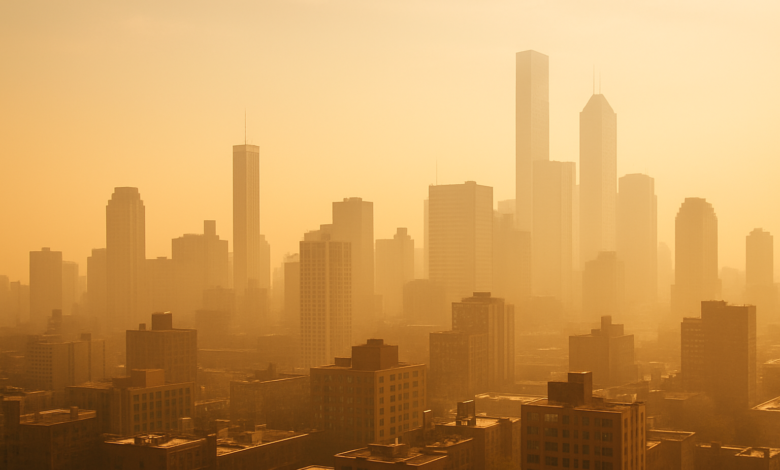
Understanding the science behind rising urban temperatures and the growing urban heat island effect.

SEO Meta Description:
Urban heat island effect is making cities hotter every year. Learn 7 clear reasons behind rising urban temperatures and how the urban heat island phenomenon impacts daily life.
Short URL:
yourwebsite.com/urban-heat-island
Table of Contents
- Introduction
- What Is the Urban Heat Island Effect?
- Why Cities Are Getting Hotter Every Year
3.1 Loss of Green Cover
3.2 Excess Concrete and Asphalt
3.3 Traffic and Transportation Heat
3.4 High Energy Consumption
3.5 Pollution Trapping Heat
3.6 Dense Urban Layout
3.7 Climate Change Intensifying the Effect - How the Urban Heat Island Impacts Daily Life
- Solutions to Reduce Urban Heat Island Effect
- Reference Links
- Conclusion
Urban Heat Island: Why Urban Cities Are Getting Hotter Every Year
Introduction
The urban heat island effect has become one of the most concerning environmental problems of modern cities. Every year, urban areas record higher temperatures than surrounding rural or semi-urban regions. From hotter summers to warmer nights and increased electricity usage, the impact is felt in almost every part of daily life. As cities continue to grow, understanding the urban heat island phenomenon is essential for better planning, sustainable living, and long-term climate resilience.
What Is the Urban Heat Island Effect?
The urban heat island effect occurs when cities become significantly warmer than nearby non-urban areas. This happens because concrete, asphalt, buildings, and human activities trap heat during the day and release it slowly at night. As a result, cities remain hotter even after sunset.
This effect is not new, but it has intensified rapidly in the last decade due to rapid urbanisation and environmental neglect.
Why Cities Are Getting Hotter Every Year
1. Loss of Green Cover
Trees and plants naturally cool the air through shade and evaporation.
But modern cities have replaced green spaces with buildings, roads, and construction.
Reduced greenery means less natural cooling and a stronger urban heat island effect.
2. Excess Concrete and Asphalt
Materials like concrete, glass, and asphalt absorb heat quickly and release it slowly.
Roads, flyovers, rooftops, and pavements store heat throughout the day.
This is one of the biggest contributors to rising urban temperatures.
3. Traffic and Transportation Heat
Cars, trucks, buses, and two-wheelers release heat continuously.
High traffic volumes in dense cities create “heat pockets,” raising local temperature.
Idling engines and traffic jams worsen the urban heat island impact.
4. High Energy Consumption
Air conditioners, refrigerators, industrial machines, and power plants emit waste heat.
In summers, increased AC usage creates a cycle:
more heat → more AC use → even more heat.
This reinforces rising temperatures in urban zones.
5. Pollution Trapping Heat
Air pollution forms a layer around cities that traps heat close to the surface.
Dust, smoke, and industrial emissions prevent heat from escaping into the atmosphere.
This leads to warmer nights and longer heat waves.
6. Dense Urban Layout
Tall buildings block wind flow, preventing natural cooling.
Narrow streets trap heat between structures, forming “urban canyons.”
With less ventilation, the temperature remains high for longer periods.
7. Climate Change Intensifying the Impact
Global warming amplifies the urban heat island effect.
As overall temperatures rise, the heat stored in cities becomes even more extreme.
Climate change and urbanisation together create a dangerous cycle of heat intensification.
How the Urban Heat Island Impacts Daily Life
The effects are visible in several areas:
- Higher electricity bills due to increased cooling needs
- Lower outdoor productivity because of extreme heat
- Poor air quality, worsening respiratory issues
- Heat-related health risks, especially for elderly and children
- Water shortage, as higher temperatures increase evaporation
The urban heat island effect affects comfort, health, and overall quality of life.
Solutions to Reduce Urban Heat Island Effect
Cities can reduce heat through strategic planning and lifestyle changes:
✔ Increase green spaces
Urban forests, rooftop gardens, and roadside trees cool cities naturally.
✔ Use reflective or cool roofing
Light-coloured roofs absorb less heat.
✔ Promote public transport
Fewer private vehicles mean less heat generation.
✔ Improve building design
Ventilated buildings allow better airflow.
✔ Encourage sustainable urban planning
More parks, open spaces, and eco-friendly architecture reduce the urban heat island impact.
Reference Links
External DoFollow Links:
- https://www.epa.gov/heatislands
- https://www.unep.org/topics/climate-change
Internal Links (Add on your website):
- yourwebsite.com/environment
- yourwebsite.com/sustainable-living
Conclusion
The urban heat island effect is an increasingly urgent issue, driven by rapid development, heat-trapping materials, pollution, and climate change. As cities expand, temperatures continue to rise, affecting health, energy use, and overall well-being. With conscious planning, increased greenery, and sustainable choices, urban areas can significantly reduce heat stress and create healthier, more livable environments for the future.
BY- RINAL RATHI