

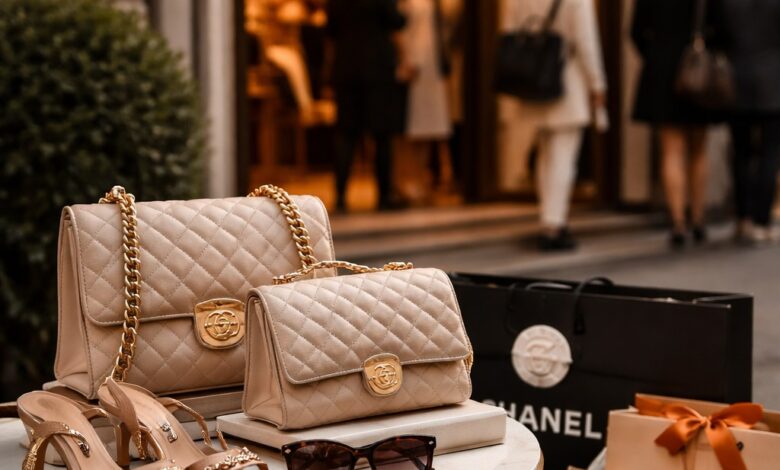
Luxury brands have always been linked with status, desire, and exclusivity. They are meant to feel special, rare, and aspirational. But today, luxury brands are more visible than ever. They are online, in malls, on social media, and sometimes even on discount platforms. This raises an important marketing question: when everyone buys luxury brands, do they remain luxury?
Luxury Brands Are Built on Exclusivity
Luxury brands are not defined only by high prices. What truly makes them luxury is limited access. When something is not easily available, people value it more. This sense of rarity creates desire.
Luxury brands work because they make customers feel part of a small, exclusive group. Once that feeling is lost, the brand may still be expensive, but it no longer feels special.
The Risk of Being Everywhere
Many luxury brands today are chasing rapid growth. They are expanding into new markets, increasing online presence, and collaborating with mass brands. While this helps increase sales, it also brings risk.
When luxury brands become too common:
- They lose their mystery
- They start feeling ordinary
- Their aspirational value drops
Customers begin to see them as premium products instead of true luxury. The emotional connection weakens, and the brand slowly loses its unique position.
Why True Luxury Brands Control Supply
Strong luxury brands are very careful about availability. They do not produce in large volumes. They avoid frequent discounts. They choose where their products are sold and who they are sold to.
This controlled approach protects the brand image. It keeps demand high and ensures the brand remains desirable over time. Luxury brands understand that saying “no” is sometimes more powerful than selling more.
Rarity Creates Desire in Luxury Brands
Human behaviour plays a big role in luxury marketing. People naturally want what is difficult to get. Waiting lists, limited editions, and exclusive launches increase emotional value.
Luxury brands use rarity as a strategy, not a limitation. The harder it is to own something, the more valuable it feels in the customer’s mind.
Scale vs Brand Value in Luxury Marketing
Every brand must choose between scale and exclusivity. Mass brands focus on reaching everyone. Luxury brands focus on protecting perception.
Being available everywhere builds volume. Being selective builds long-term brand value. When luxury brands chase mass appeal, they risk losing what made them luxury in the first place.
Not All Brands Should Aim to Be Luxury
It is important to understand that luxury is not for everyone. Many brands are successful because they are accessible and affordable. There is nothing wrong with that.
Problems arise when a brand wants luxury status but follows mass-market tactics. Luxury requires patience, discipline, and strict control over brand experience.
The Core Marketing Lesson from Luxury Brands
Luxury brands are not built by price tags alone. They are built by control control over supply, messaging, distribution, and customer experience.
Once a luxury brand loses control, it slowly loses its meaning and value.
Conclusion
So, when everyone buys luxury brands, do they stay truly luxury?
In most cases, they do not.
Luxury survives on exclusivity, and exclusivity survives when brands protect what makes them rare. For marketers and brand builders, this is a clear lesson: growth matters, but brand value matters even more.
BY- RINAL RATHI